Saudi Women at the Heart of the National Renaissance

On International Women’s Day, Saudi women continue to lead the social, economic, and cultural transformation of the Kingdom. From Princess Noura bint Abdulrahman, the pioneering sister of King Abdulaziz, one of the first women in the Kingdom to help establish educational and healthcare institutions for women, and who advanced social and cultural empowerment while placing women at the center of societal development, to today’s generation of leaders, innovators and scientists,Saudi women inspire society with their creativity and leadership, leaving a visible impact in every sphere of life. This spirit of leadership has opened doors for thousands of girls and women, strengthened their confidence, and confirmed that they can drive change in their communities.
At the heart of this journey, a remarkable figure combines diplomacy and leadership: Princess Reema bint Bandar, Saudi Arabia’s ambassador to the United States and a leading advocate for women’s empowerment. She promotes women’s inclusion in business, sports, and culture, embodying a bold, strategic, and inspiring leadership model that fuels ambition and encourages initiative among new generations. Her influence extends across every initiative, program, and success story, helping women shape sustainable strategies, foster innovation, and empower communities. Many women have experienced tangible transformations in their lives: increased confidence, expanded professional opportunities, and the ability to contribute actively to society—all within a vision of leadership rooted in history and guided by the forward-looking goals of Saudi Vision 2030, which seeks to expand women’s participation across all economic and social sectors
Similarly, guided by a model of bold and strategic leadership, institutions and NGOs across the Kingdom continued to expand opportunities that empower women on a wider scale. At the forefront, Alwaleed Philanthropies, in collaboration with partners, drives initiatives that encourage women to innovate, acquire new skills, and play an active role in their communities. By transforming empowerment from a principle into tangible results, these programs enable women to achieve independence, broaden professional opportunities, and reach their full potential, advancing a vision of a thriving and inclusive society.
Empowering Women, Shaping Change
The journey of empowering women begins with psychological, professional and social well-being, as well as their mental health. At the Dar Al-Diafa shelter, young women benefit from holistic programs addressing psychological, professional, and social well-being, including mental health support, social reintegration, and vocational training. Through therapy, leadership development, practical skills, and employment support, women gain the tools to overcome challenges, rebuild confidence, actively contribute to their communities, and pave the way for a stable and prosperous future for every young woman. The impact is clear: women regain decision-making power, acquire skills that open doors to employment and community engagement, and transform their aspirations into tangible achievements.
Protection and Empowerment
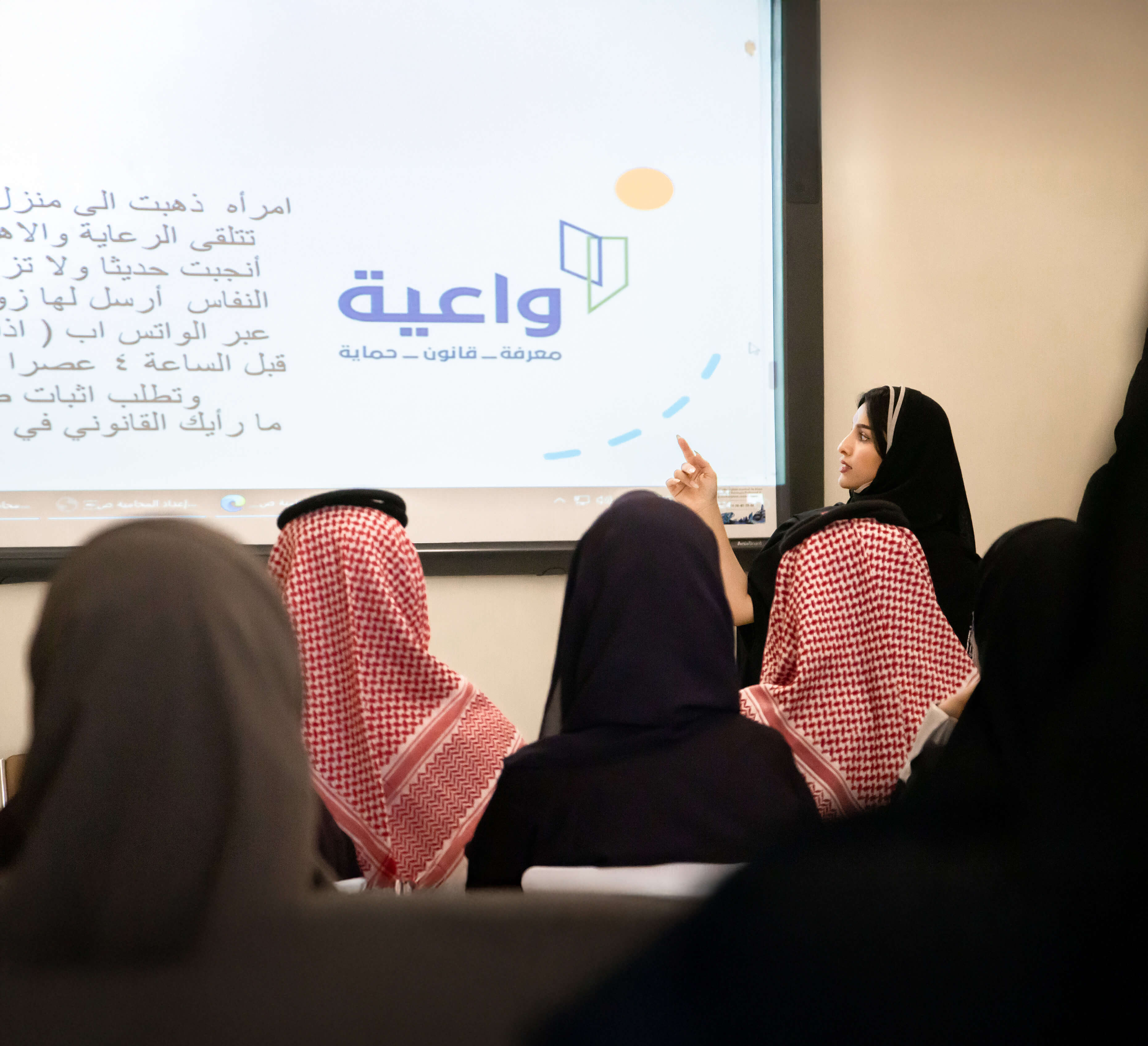
Access to justice and understanding of rights are essential to women’s empowerment. The Waeya Initiative exemplifies this by providing legal support and protection from domestic violence, offering consultations, guidance, and training Saudi female lawyers in personal status, labor, and criminal law, with tools ensuring even remote communities have access. As the Kingdom rapidly embraces digital transformation, Waeya equips women to navigate complex legal challenges, defend privacy rights, and help build an advanced digital legal environment, emphasizing that women’s legal leadership is now a cornerstone of the nation’s future. One beneficiary shared, “Through the Waeya Initiative, I found the strength and guidance to reclaim my life and protect my children. Their support was the key to turning fear and uncertainty into hope and empowerment.” These human-centered experiences demonstrate how women are gaining a voice and agency in shaping their lives and communities.

Entrepreneurship, Innovation, and Social Impact
Economic Empowerment is the foundation of independence. The Ashoka Social Entrepreneurship Program has enabled over 100 women directly to launch sustainable social enterprises, with indirect impact reaching more than 5,000 people. Through intensive training camps and mentorship programs, participants convert ideas into initiatives that solve societal challenges and foster economic independence, directly improving their lives and confidence.

Preserving Heritage, Cultivating Creativity
Saudi women are reviving the Kingdom’s cultural heritage while achieving sustainable professional growth. Empowering Saudi craftswomen is no longer just a training program; it is a space where confidence is restored and talent becomes a source of income and stability. Through an initiative launched by Alwaleed Philanthropies, with workshops hosted at Princess Nourah bint Abdulrahman University, craftswomen develop products, refine production and marketing skills, and gain access to real training and employment opportunities. The results go beyond improving craftsmanship: women achieve economic independence and play an active role in preserving and modernizing Saudi cultural identity.
Inclusion and Workforce Participation
The transportation sector has become another avenue for empowerment. Through partnerships with Careem, hundreds of women have gained economic independence as professional drivers, while programs for women and youth with physical disabilities have enabled more than 80 individuals to work as drivers, directly impacting hundreds by providing accessible transportation and promoting inclusivity, transforming daily life and independence.
Leadership, Volunteering, and Civic Engagement
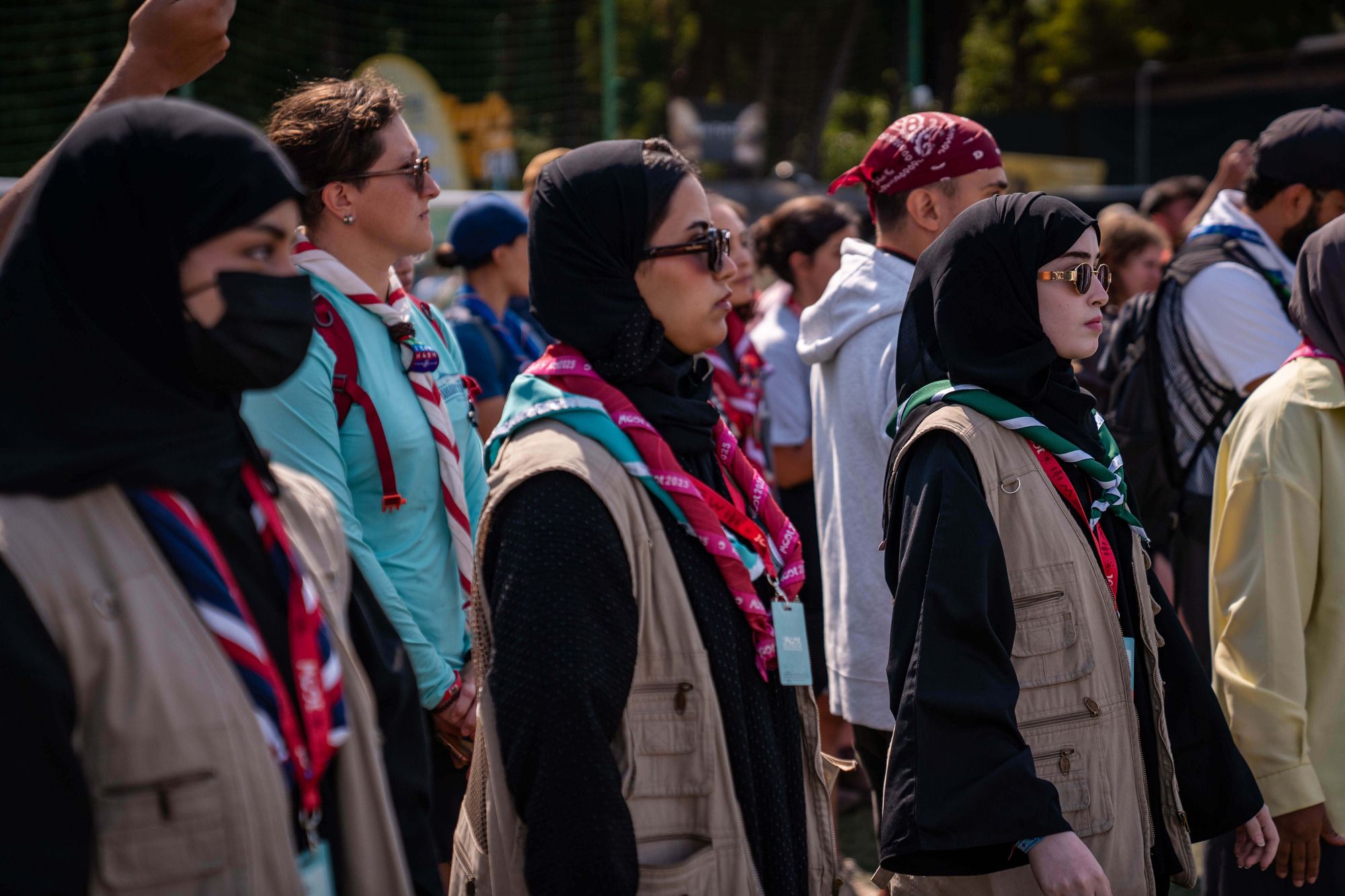
Women’s leadership extends to volunteer work and civic life. The Saudi Scouting Project empowers women and youth to participate actively in community initiatives locally and internationally. In collaboration with the World Organization of the Scout Movement and Princess Nourah bint Abdulrahman University, over 100 female leaders were trained, and 500 students joined scouting programs, directly influencing more than 100,000 young people. Achievements include participation in the global MOOT camp, Hajj service, Global Messengers Workshop, and international scouting events such as JOTA–JOTI, the Arab Scouting Forum, and International Leadership Training. These programs show that volunteer leadership among women and youth is far-reaching and capable of driving meaningful societal transformation.

Empowering Women Through STEM
Education remains the cornerstone of empowerment. Through KAUST Academy programs in AI, bioinformatics, cybersecurity, and renewable energy, 200 young women gained advanced training and research opportunities with prestigious universities like Cambridge, MIT, and Oxford, ensuring Saudi women lead in technological innovation and advancement. One participant reflects:
"What makes the Women in STEM program remarkable is how deeply it cares for its participants—not just during the journey, but in shaping what’s ahead. It invests in our growth, helping us get ready for world-class graduate studies and empowering us to reach our fullest potential."
A Collective Vision for the Nation
From healthcare and professional development to entrepreneurship, heritage preservation, legal empowerment, transportation, education, and volunteer work, Saudi women actively shape every aspect of society. Tens of thousands of women and youth have benefited directly and indirectly, showing that women’s empowerment is not merely a supportive act, but a building block for the nation.
On International Women’s Day, the Kingdom celebrates not only individual achievements but also the ongoing movement: women who lead, innovate, and shape the future of Saudi Arabia. Saudi women do not wait for the future, they create it.